
There are some destinations you visit for the scenery, others for the history and then there are places where you can actually feel the story of a craft all around you.
Johnstons of Elgin is one of those places.
Set in the heart of Moray, the Elgin mill has been making textiles in Scotland since 1797. More than two centuries later, it is still a working mill rooted in natural fibres and traditional expertise while embracing the technology and ideas that are shaping the future of Scottish textiles.
For those of us who love crafting, yarn and the stories behind what we make, it is a fascinating place to visit… and one we particularly enjoy sharing with our private tour groups.
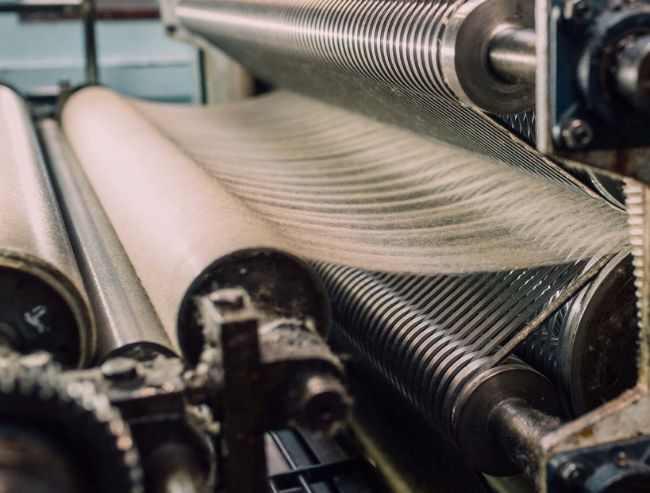
Johnstons of Elgin has an extraordinary sense of continuity. The business has belonged to just two families (Johnston’s & Harrison’s) throughout its long history while remaining committed to manufacturing in Scotland.
It is also Scotland’s only vertical weaving mill, meaning that many of the stages involved in turning fibre into finished fabric happen on the same site.
That makes a visit feel very different from simply walking into a shop and choosing a beautiful jumper or scarf. Here, you can begin to understand what goes into creating it.
The journey starts with the fibre and continues through processes such as blending, dyeing, spinning, warping, weaving and finishing. Each stage contributes something to the character of the final textile.
And behind every process are people.
The Human Story Behind the Yarn
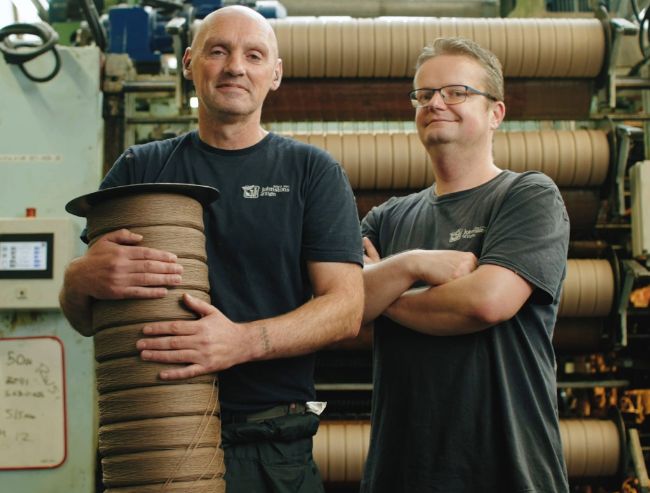
One of the most compelling things about Johnstons of Elgin is discovering just how many skilled hands can be involved in making a single piece.
A scarf, shawl or sweater may pass through the hands of dozens of people during its creation. A garment can similarly involve a remarkable number of individuals before it is ready to leave the mill.
That human involvement is a world away from the idea of disposable fashion.
At Johnstons, craftsmanship is about patience, knowledge and attention to detail. Skills are passed on, developed and refined, allowing techniques and expertise to remain part of the company’s future rather than becoming simply part of its history.
For crafters, this is particularly meaningful. We know that the pleasure of making something is often found in the details.
A visit to the mill gives us an opportunity to see those details on a much larger scale.
From Fibre to Finished Product
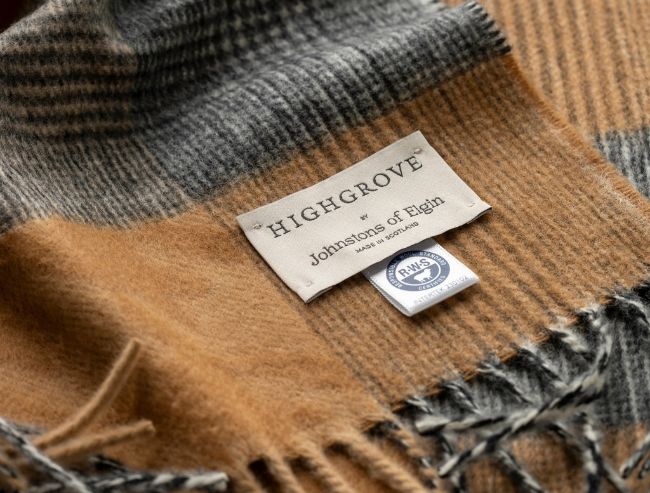
There is something wonderfully satisfying about seeing a textile journey from beginning to end.
At Johnstons of Elgin, visitors can discover how fibres are prepared and blended, how colour is introduced through dyeing and how fibres are transformed through spinning. From there, the processes of warping and weaving begin to turn those materials into cloth.
The finishing stages are equally fascinating, including processes such as teaselling, which help give the finished textile its distinctive character and handle.
Seeing these stages in person changes the way you think about the finished product.
A beautifully soft cashmere accessory is no longer simply a beautiful cashmere accessory. You begin to appreciate the fibre it started with, the expertise required to work with it and the many decisions that influence how it ultimately feels and performs.
For anyone who loves yarn, that is a wonderful education.
A Heritage Built on Innovation
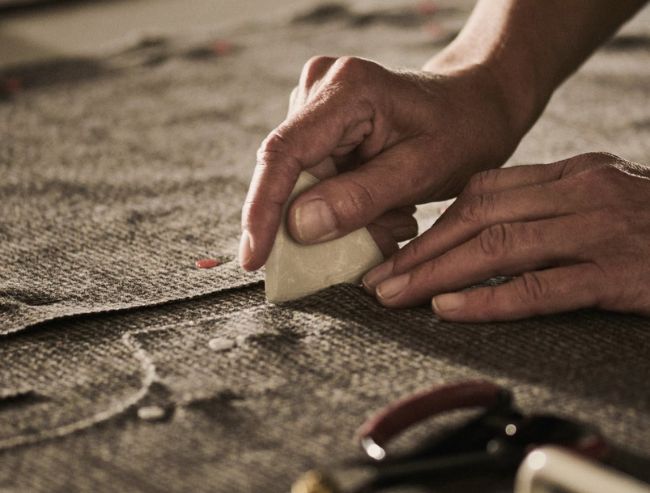
Although Johnstons of Elgin is deeply connected to tradition, its story is not one of standing still. Innovation has always been part of the business.
The company created its first tweed in 1846, originally developed with camouflage in mind. Today, historical influences continue to inspire new designs, with archive patterns and ideas being reinterpreted for contemporary collections.
Modern technology has also opened up new possibilities. Japanese Wholegarment knitting technology, for example, allows garments to be knitted three-dimensionally as a single piece. Rather than creating separate pieces that subsequently need to be joined together, Wholegarment knitting can produce seamless garments without traditional linking, seaming or sewing.
The result is a different approach to garment construction, creating pieces designed to offer comfort, shape and a beautifully clean finish.
The mill’s sophisticated Jacquard weaving technology has similarly expanded what is possible with woven accessories, allowing intricate patterns to be created using exceptionally fine fibres such as cashmere and Merino wool.
It is a wonderful reminder that heritage and innovation do not have to compete. In the right hands, one can help the other move forward.
More Than a Visit
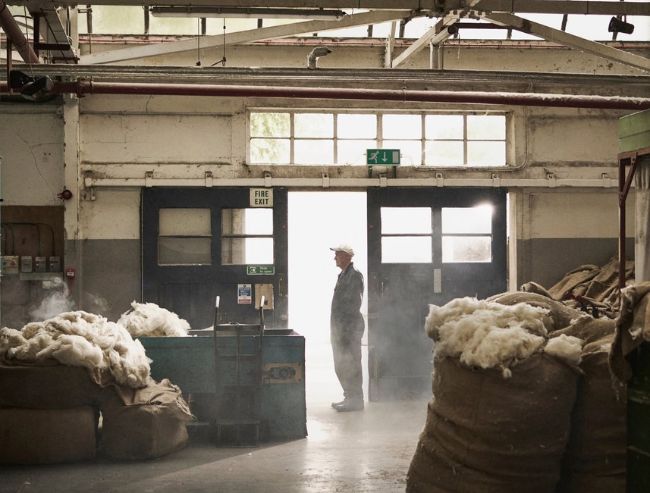
For our private knitting tours, visiting Johnstons of Elgin is about more than seeing beautiful Scottish textiles. It is about connecting with the people, skills and traditions behind a craft we love.
Exploring the working mill gives our groups a chance to discover how fibre becomes finished cloth and to understand the expertise behind every stage. And once you have seen that journey, you may never look at your yarn quite the same way again.
If you have any questions about the information above, or would like to experience this historic knitting site as part of one of our knitting tours, please contact us online.
